Charting Digital Pathways: Site Indexes Connecting PH Sports Updates to Online Marketplaces
Written by Felix Frank · Aug 19, 2026
Charting Digital Pathways: Site Indexes Connecting PH Sports Updates to Online Marketplaces
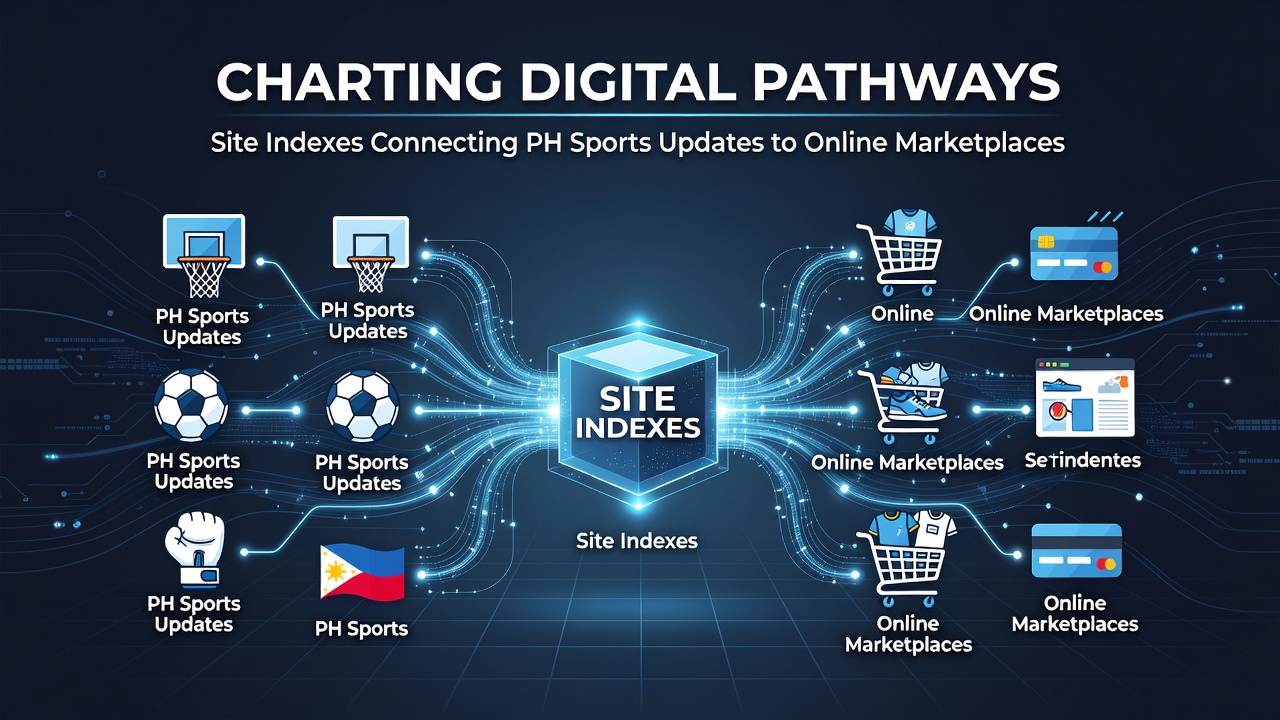
Site indexes function as structured directories that organize content across web domains, allowing users to locate Philippine sports updates and transition smoothly into related online marketplaces where gear, event access, and data resources become available for purchase or subscription. Researchers at various academic institutions have documented how these indexes rely on standardized protocols such as XML sitemaps and schema markup to maintain accurate connections between news feeds and commercial platforms. Data from regional technology reports indicate that Philippine sports coverage, including basketball leagues and volleyball tournaments, generates consistent traffic patterns that indexes route toward e-commerce sections featuring equipment and merchandise.
Mechanics of Site Indexes in Content Discovery
Web crawlers scan site indexes to identify fresh entries on Philippine sports developments, then categorize those entries according to keywords, publication dates, and relevance scores before presenting links that lead users toward marketplace integrations. Observers note that this process operates through automated scripts which refresh at regular intervals, ensuring that updates on national team performances reach interested parties without manual intervention. Studies from North American research centers show that properly configured indexes reduce load times for cross-linked pages by up to thirty percent when compared with unindexed navigation structures. Those who maintain large sports portals often implement hierarchical indexes that separate breaking news from archival statistics, creating clear pathways that marketplace operators can tap for targeted product placement.
Philippine Sports Content and Its Digital Footprint
Philippine sports updates cover a wide range of events, from professional basketball associations to emerging esports competitions, and these updates frequently appear on dedicated portals that employ indexes to maintain order amid high publication volumes. Figures released by government statistical agencies in Southeast Asia reveal steady growth in digital sports consumption throughout the region, with mobile access accounting for the majority of views in recent quarters. Site indexes help separate live score feeds from background articles on player histories, allowing marketplace algorithms to match reader interests with relevant items such as apparel or training tools. In August 2026 several Philippine sports platforms are scheduled to roll out enhanced index structures that incorporate real-time API feeds, a development expected to strengthen direct connections to regional online retailers.
Integration Patterns Between Indexes and Marketplaces
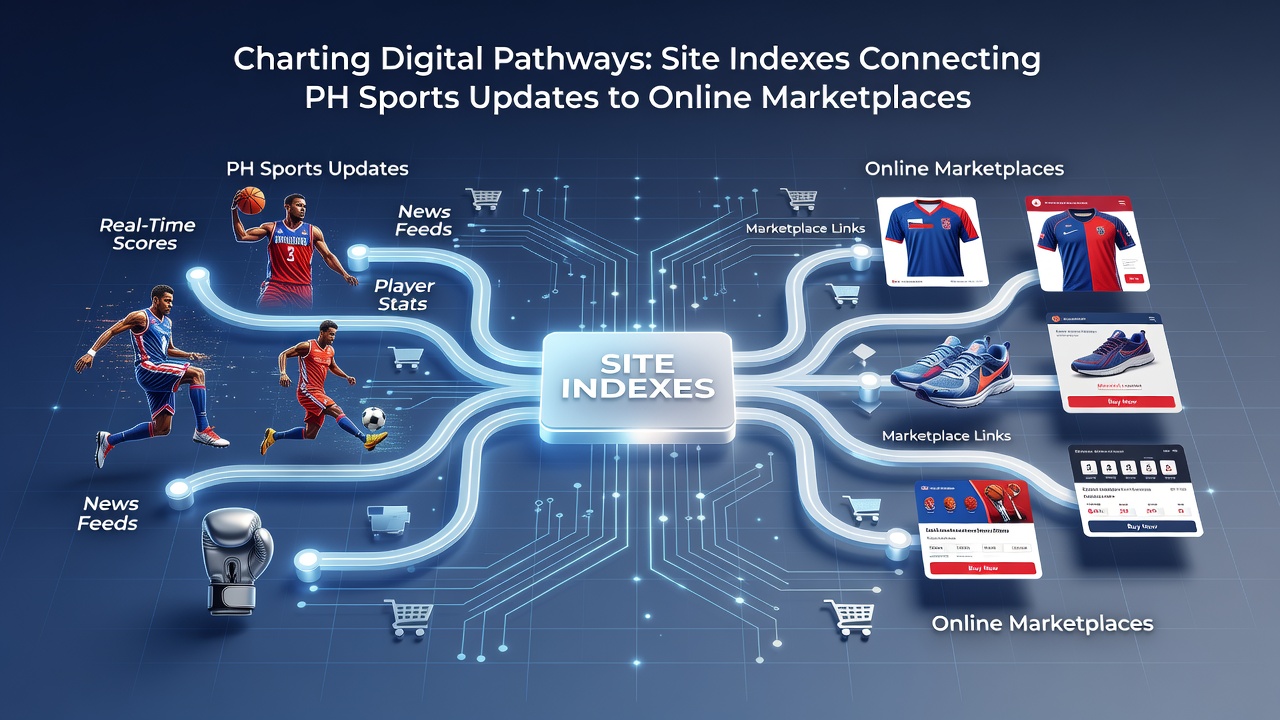
Marketplace operators embed affiliate tags within indexed sports content so that readers who follow a Philippine league update can encounter product suggestions without leaving the informational flow. Industry organizations based in Australia and Canada have published analyses showing that such integrations increase average session duration when indexes present clear category links. One case examined by European digital economy researchers demonstrated that sports news sites using layered indexes achieved higher conversion rates to merchandise pages compared with sites relying on basic search functions alone. The connections rely on metadata fields that include event type, location, and athlete names, enabling marketplaces to surface contextually appropriate items such as replica jerseys or streaming subscriptions.
Technical Standards and Regional Developments
Standards developed by international web consortiums guide the construction of site indexes that handle multilingual content, an important consideration for Philippine sports coverage that often appears in both English and local languages. Observers have tracked how updates to these standards in 2025 improved compatibility with mobile-first marketplaces, reducing friction for users moving from news to purchase screens. Government bodies in the United States and the European Union continue to monitor data exchange practices between content indexes and commercial platforms, issuing guidelines that emphasize transparency in affiliate disclosures. Those who build sports portals frequently consult these guidelines when designing index structures that must comply with privacy regulations across multiple jurisdictions.
Future Trajectories for Index-Driven Connections
Emerging technologies such as structured data enrichment and machine learning classification are expected to refine how site indexes identify Philippine sports updates worthy of marketplace promotion. Reports from academic centers in Asia indicate ongoing experiments with predictive indexing that anticipates user interest based on historical traffic patterns. Marketplace platforms in turn adjust their catalog displays to align with indexed content themes, creating feedback loops that benefit both publishers and retailers. Continued collaboration between technology providers and sports media outlets will likely shape the next generation of digital pathways connecting information sources with commercial opportunities.
Conclusion
Site indexes serve as foundational elements that organize Philippine sports updates and facilitate their movement into online marketplaces through systematic metadata and linking protocols. Data collected across multiple regions demonstrate measurable improvements in content discoverability and commercial engagement when indexes follow established technical standards. As platforms prepare for enhancements scheduled around August 2026, the infrastructure supporting these digital connections continues to evolve in response to both technological advances and regulatory expectations.