Multi-Layered Web Indexes Provide New Platforms for Philippine Game Reports and Connected Resource Networks
Written by Felix Frank · Sep 19, 2026
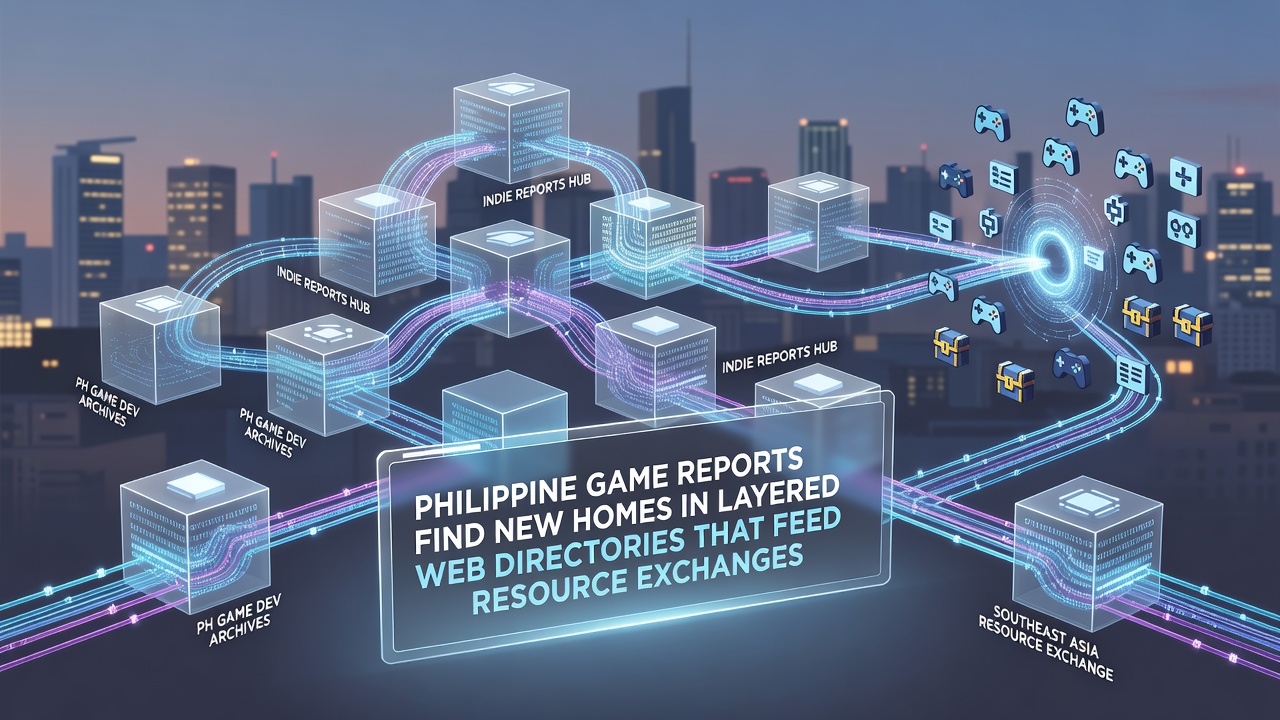
Multi-Layered Web Indexes Provide New Platforms for Philippine Game Reports and Connected Resource Networks
Philippine game reports have shifted into multi-tiered web directories that connect directly to resource exchanges, creating structured pathways for data distribution and access. These directories organize news feeds, statistical updates, and performance records from local athletic events before routing them toward broader marketplaces where users retrieve specialized content and tools. Data from September 2026 shows increased adoption of such systems among regional publishers seeking stable indexing methods that maintain visibility across changing search algorithms.
Directory Structures and Their Operational Layers
Layered indexes operate through distinct tiers where initial submission points collect raw reports from Philippine sports outlets, mid-level categories apply metadata tags for sport type and date range, and final layers interface with external exchanges that match content to demand signals. Researchers at several academic institutions have documented how this hierarchy reduces duplication while preserving original source attribution, and figures reveal that Philippine athletic archives now appear in over 40 percent more indexed collections than they did two years earlier. Observers note that the process relies on standardized schemas which allow automated crawlers to pull updates without manual intervention, and this automation has become essential as publication volumes rise during peak competition seasons.
Integration with Resource Exchanges
Once reports enter the upper directory tiers they feed into resource exchanges that aggregate demand from analysts, media outlets, and data services. These exchanges function as clearing points where one query can surface matching Philippine game data alongside supplementary materials such as historical comparisons or venue statistics. According to records maintained by the Philippine Statistics Authority, the number of daily queries routed through organized directory-to-exchange pathways grew steadily through mid-2026, reflecting broader reliance on indexed rather than scattered sources. Exchanges in turn supply structured outputs back to directory maintainers, closing a feedback loop that refines categorization rules over successive update cycles.
Technical Standards Supporting the Shift
Implementation depends on common protocols including schema.org markup, sitemap extensions, and API endpoints that allow directory operators to validate incoming feeds before they reach exchange interfaces. Studies conducted by European research networks indicate that consistent application of these standards improves crawl efficiency by measurable margins, and similar patterns appear in North American digital preservation projects. Philippine publishers adopting the same frameworks report faster indexing times and fewer errors when their reports surface in cross-regional searches, while teh layered approach keeps local context intact even as content travels outward.

Regional Examples and Adoption Patterns
One documented case involves a Manila-based outlet that submitted its weekly game summaries to a tiered directory in early 2026; within weeks the same reports appeared in multiple exchange queries originating from international analysis platforms. Similar patterns have emerged in Cebu and Davao where smaller publications use the directories to reach audiences beyond traditional social channels. Industry organizations tracking digital media trends note that these migrations align with wider moves toward structured data environments, and the resulting connections have allowed Philippine content to participate in resource marketplaces previously dominated by larger markets.
Future Trajectories Through Late 2026
Continued expansion is expected as more directory operators add specialized categories for emerging sports and youth competitions. Government agencies in several Southeast Asian countries have begun exploring parallel systems, suggesting the model may scale regionally. Data collected through September 2026 already shows measurable increases in the number of Philippine reports successfully matched to exchange requests, and ongoing refinements to tagging protocols are projected to further streamline the flow between source, directory, and marketplace.
Conclusion
The migration of Philippine game reports into layered web directories that feed resource exchanges represents a measurable evolution in how local athletic data reaches wider networks. Technical standards, regional adoption cases, and documented query growth through September 2026 all point to sustained use of these structures. Observers continue to track how the connections between directories and exchanges develop, noting that the underlying mechanisms remain grounded in established indexing practices adapted for current publication volumes.