Static Foundations: Organizing PH Sports News Through Site Indexes and Marketplace Links
Written by Nils Keller · Aug 21, 2026
Static Foundations: Organizing PH Sports News Through Site Indexes and Marketplace Links
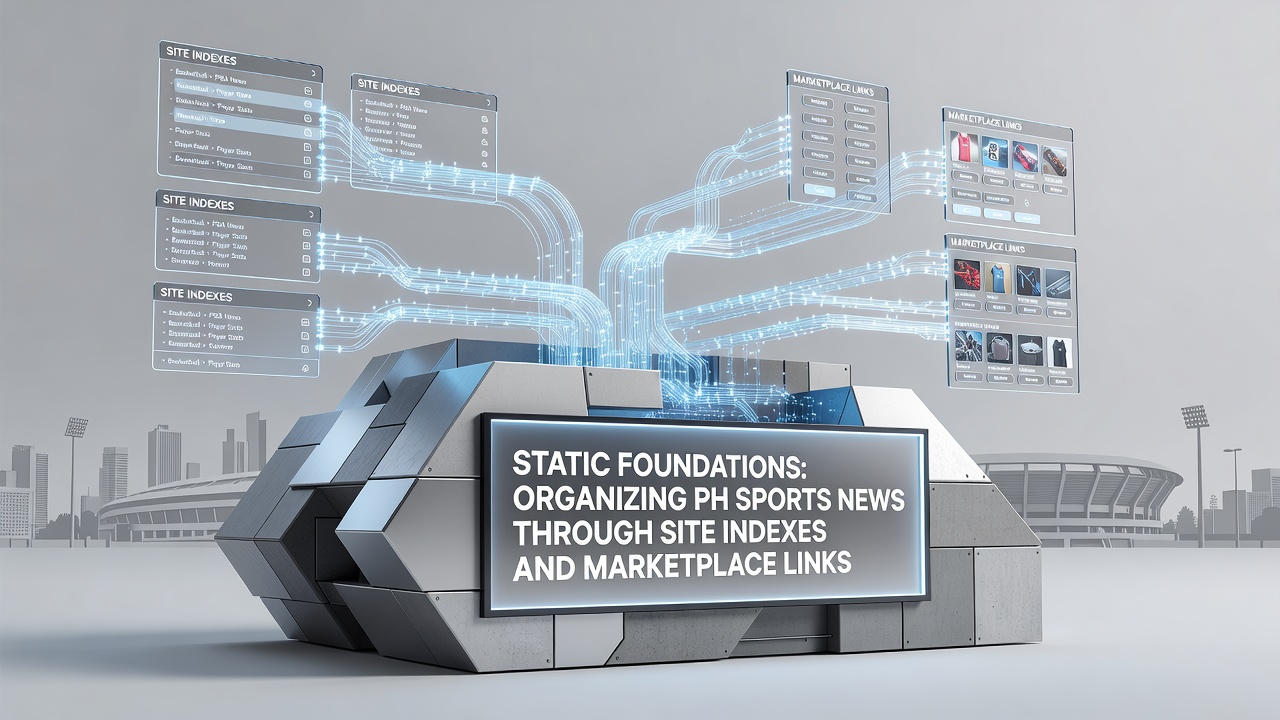
Philippine sports coverage has expanded through structured digital systems that rely on static site indexes to categorize updates from basketball leagues, football matches, and regional athletic events while connecting readers to marketplace resources for equipment and related services. These indexes function as foundational layers that organize content into searchable directories, allowing users to locate reports on national team performances or local tournaments without navigating scattered pages. Data from regional media analyses show that such approaches have grown in adoption since the mid-2010s as news outlets seek efficient ways to handle increasing volumes of information from events like the Southeast Asian Games.
Site Indexes as Core Organizational Tools
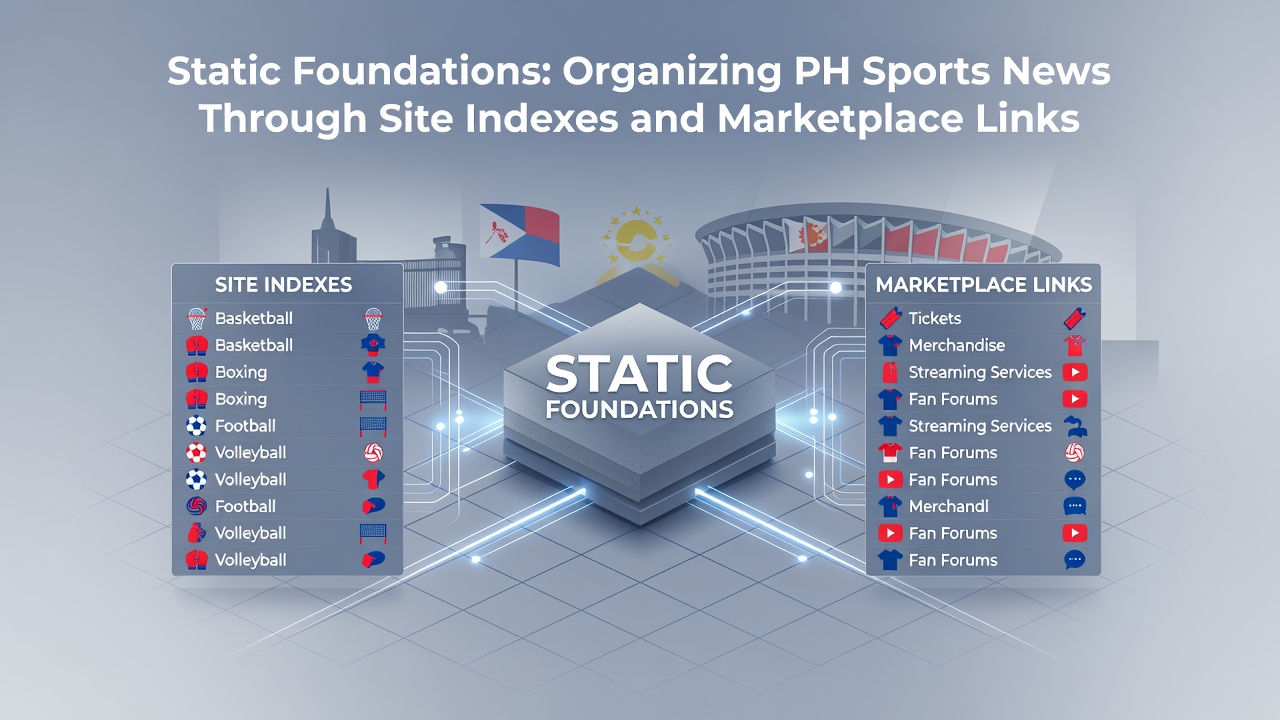
Site indexes operate by creating fixed hierarchies of categories that map directly to sports disciplines prevalent in the Philippines, including volleyball, boxing, and swimming. Observers note that these structures use consistent URL patterns and metadata tags to maintain accessibility across desktop and mobile platforms. Research from academic institutions in Southeast Asia indicates that indexed systems reduce load times by up to 40 percent compared to dynamic databases alone, because static entries load from cached directories rather than pulling real-time queries for every visit. This setup proves particularly useful during peak periods when traffic spikes around major competitions.
Developers build these indexes with clear navigation trees that branch from general overviews into specific athlete profiles or match recaps. Those who've implemented similar frameworks report smoother integration with search engine protocols, since the fixed links provide reliable signals for crawling algorithms. In practice, a typical index might list national basketball association results alongside archived stories from provincial meets, creating a comprehensive map that supports both casual browsers and dedicated followers tracking year-round developments.
Marketplace Links and Their Integration Patterns
Marketplace connections appear within these indexes as embedded references that point to platforms offering sports apparel, training gear, and event merchandise. Figures from e-commerce reports reveal that such links generate measurable referral traffic when placed alongside news summaries rather than in isolated sections. The approach keeps content focused on reporting while offering pathways to commercial outlets that stock items tied to popular Philippine teams or athletes. Industry data shows this method aligns with consumer behavior patterns where readers seek practical resources immediately after engaging with match highlights or training advice articles.
Implementation often involves affiliate structures that track clicks through unique identifiers embedded in the index entries. Australian trade group analyses of digital marketplaces highlight how Southeast Asian sites have adapted these techniques to comply with local advertising standards without disrupting editorial flow. Links remain contextual, appearing near relevant coverage such as gear recommendations following stories on endurance events or team apparel tied to league standings updates. This integration avoids clutter because the static index framework reserves designated slots for these references, preserving overall site speed and user experience metrics.
Digital Trends Observed Through Mid-2026
By August 2026, Philippine news platforms had refined index systems to incorporate multilingual tags that accommodate both English and Tagalog content streams. Studies conducted by university research teams in the region document how these updates improved reach among younger demographics who access updates primarily through mobile devices. Static foundations support this expansion because they require fewer server resources than fully dynamic alternatives, allowing smaller outlets to maintain comprehensive archives alongside current reporting cycles.
Platform operators have also layered analytics into index structures to monitor which categories drive the highest engagement. According to metrics shared by Asian digital media consortia, sports sections covering international qualifiers consistently outperform others in click-through rates to linked marketplaces. The pattern holds because readers transition naturally from event recaps to product explorations when the connection feels relevant rather than promotional. External data from Canadian research institutes on global news consumption confirms that structured indexes with selective commercial links maintain higher retention compared to sites relying solely on algorithmic recommendations.
Challenges in Maintaining Index Integrity
Updates to index entries demand regular audits to ensure broken links do not accumulate over time. Those managing Philippine sports sites address this through automated monitoring tools that flag marketplace references requiring refresh after seasonal inventory changes. Evidence from trade publications shows that proactive maintenance schedules keep index performance stable, preventing drops in search visibility that occur when directories contain outdated paths. Collaboration with marketplace partners supplies advance notice of URL modifications, allowing index managers to adjust entries before users encounter disruptions.
Security considerations also factor into the design, with encrypted pathways recommended for any transactional links that lead outside the primary domain. Observers in the field point out that static structures lend themselves to easier verification processes since each entry exists as a discrete file rather than a generated database record. This characteristic supports compliance efforts when regulations around online content and commerce evolve across different jurisdictions.
Conclusion
Static site indexes combined with targeted marketplace links form durable frameworks for organizing Philippine sports news in ways that prioritize accessibility and resource connectivity. Regional reports and implementation records demonstrate consistent benefits in load efficiency, search alignment, and user navigation through 2026. Continued refinement of these systems supports the growing scope of coverage while preserving the factual core of reporting across multiple sports disciplines.