Structured Web Indexes and Their Role in Philippine Sports Media Access
Written by Uma Bennett · Aug 26, 2026
Structured Web Indexes and Their Role in Philippine Sports Media Access
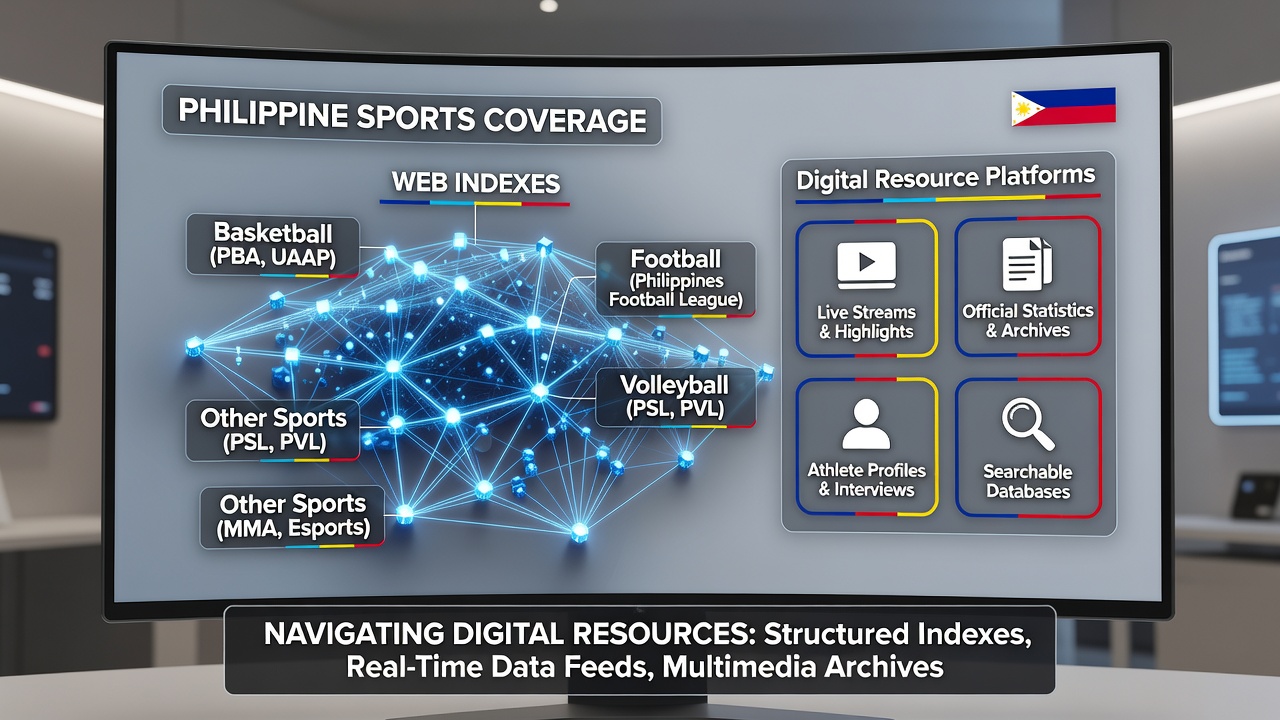
Philippine sports coverage reaches audiences through organized digital pathways that rely on web indexes and resource platforms to sort news from basketball leagues, football matches, and other athletic events into accessible categories, and these systems connect users directly to official reports, live updates, and archival materials without requiring scattered searches across unrelated sites.
How Web Indexes Organize Philippine Sports Content
Data from regional media analyses shows that structured indexes group Philippine sports stories by event type, date, and source reliability, which allows researchers and fans to locate specific coverage on PBA games or national team performances in a single query cycle, while the platforms maintain cross-links to government sports agencies and university athletic departments for verification purposes. Observers note that this organization reduces duplication because indexes pull from multiple outlets simultaneously and present results in layered menus that expand from broad categories such as professional leagues into narrower sections covering youth competitions and regional tournaments.
Digital Resource Platforms in Practice
Platforms built for Philippine audiences integrate indexes that update automatically when new articles appear on local news portals, and this automation draws from APIs maintained by major broadcasters alongside smaller regional outlets, whereas manual curation by platform administrators adds tags for language preference and geographic focus to serve both domestic readers and overseas communities. In August 2026 several platforms introduced enhanced filtering options that separate live event streams from post-match analysis pieces, and those changes coincided with increased mobile traffic during international qualifiers hosted in Manila.
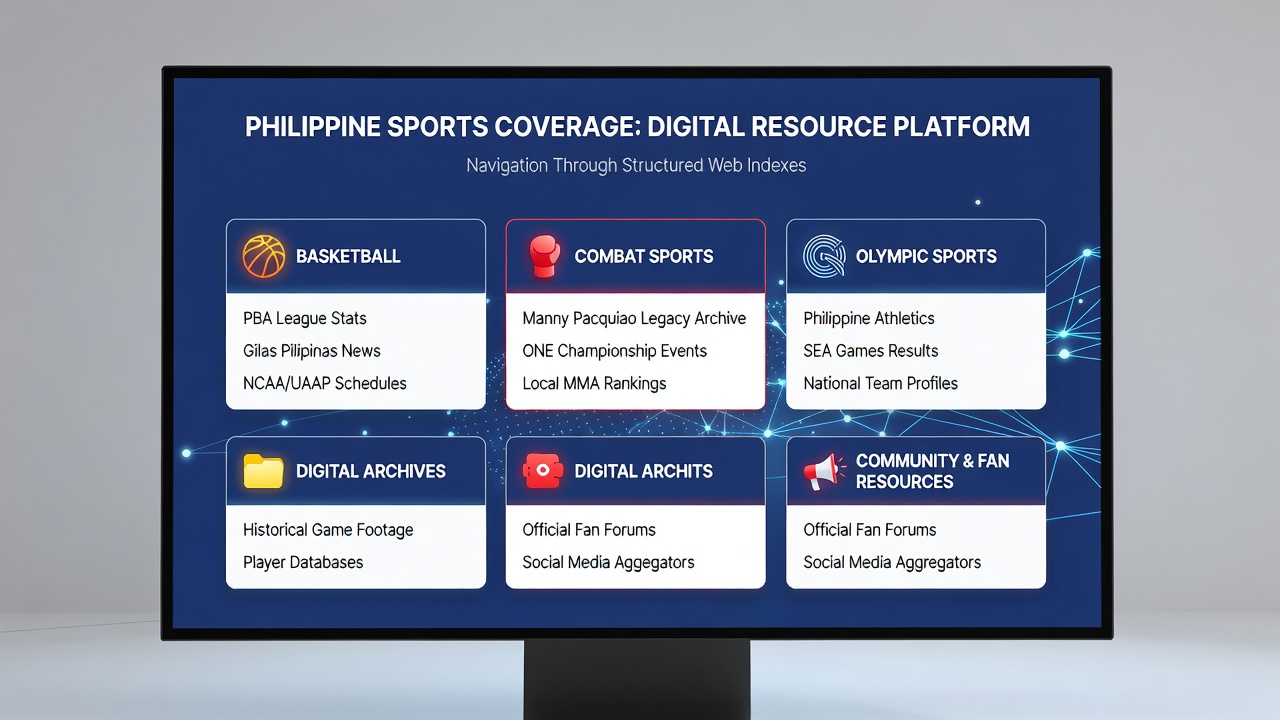
Users often discover that these indexes link directly to statistical databases maintained by sports federations, which provides context such as player performance metrics and historical records without leaving the main interface, and the same systems route visitors toward marketplace sections where authorized merchandise or event tickets appear alongside editorial content.
Integration with Broader Online Marketplaces
Resource platforms extend their reach by embedding connections to verified marketplaces that list equipment, training programs, and media subscriptions, and this linkage follows guidelines established by industry groups that emphasize transparency in promotional placements. Research indicates that such integration helps smaller publishers gain visibility because their stories surface in the same indexes that drive traffic to commercial listings, while regulatory bodies in various regions monitor these arrangements to ensure compliance with advertising standards.
According to findings published by Pew Research Center on digital news consumption patterns, audiences in Southeast Asia increasingly rely on aggregated indexes rather than single-site visits, and similar trends appear in Philippine data sets where mobile users favor platforms that consolidate updates from multiple sports disciplines into one dashboard. European Commission reports on digital platform interoperability further highlight how standardized indexing protocols improve cross-border access to regional sports coverage, and those protocols have influenced several Philippine-based services that now support multilingual search functions.
Recent Developments and Platform Features
Platform developers added semantic search capabilities in recent years that interpret natural language queries about specific athletes or rivalries, and this feature connects results to both current news and archived materials stored in university libraries or national archives. Observers point out that indexes now incorporate real-time alerts for breaking stories during major events, which pushes notifications through mobile apps while maintaining the underlying structure that keeps older content discoverable through date-based filters.
Those who've studied platform usage patterns report that sports federations in the Philippines have begun submitting their own press releases directly to major indexes, which speeds distribution and reduces reliance on third-party aggregators. Data shows that this direct input method increases the accuracy of details such as schedules and venue changes because primary sources control the initial tagging and categorization steps.
Conclusion
Structured web indexes and digital resource platforms continue to shape how Philippine sports coverage reaches varied audiences by combining automated sorting with curated links to official and commercial sources, adn ongoing refinements in August 2026 demonstrate the adaptability of these systems to new devices and user expectations. The combination of reliable indexing, marketplace connections, and multilingual support creates pathways that remain functional across different levels of technical access, and evidence from multiple research sources confirms that these tools sustain consistent delivery of sports information without requiring users to navigate fragmented websites independently.